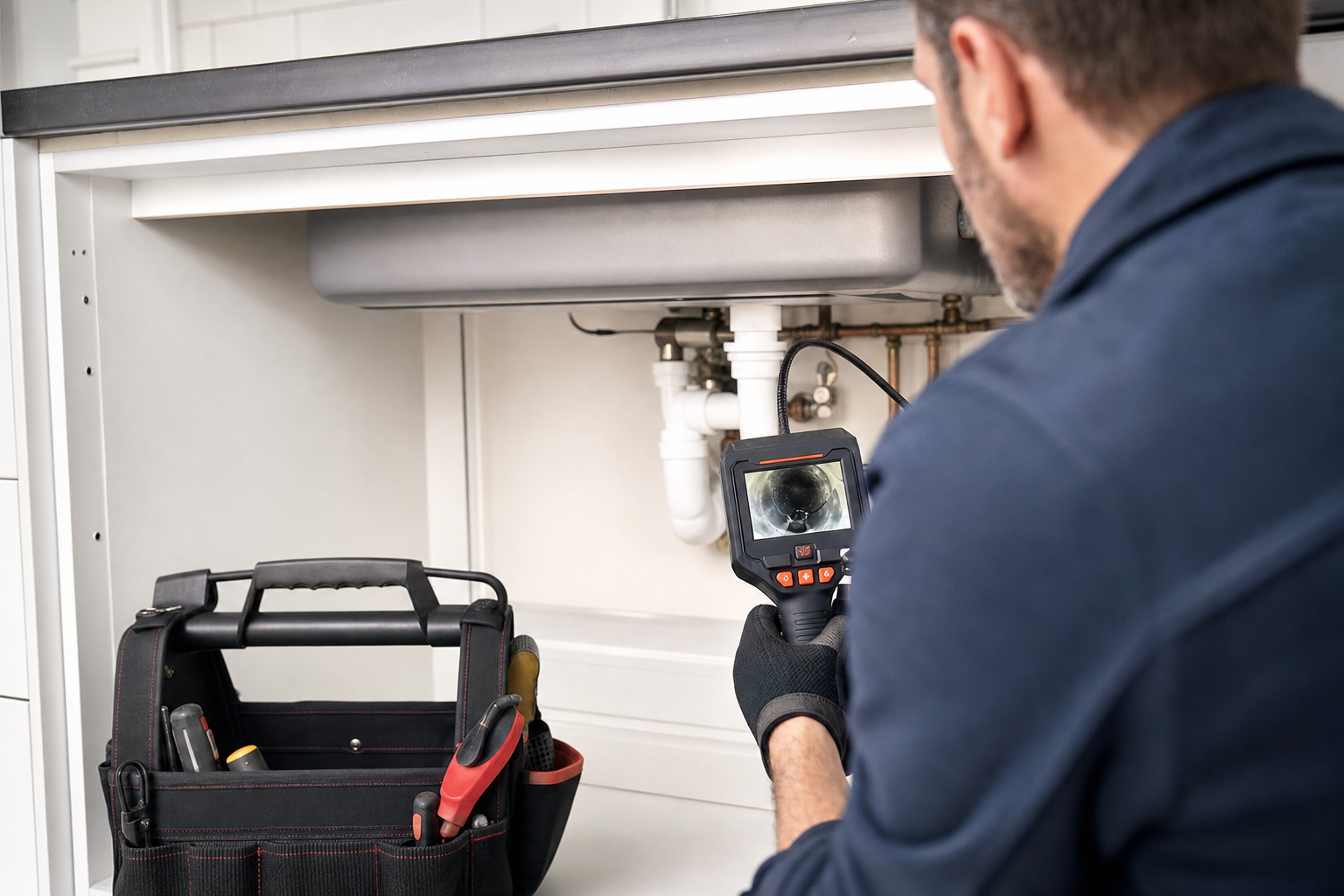
If you need help with water leaks South Kensington, Thermal Flow Services provides practical leak detection and repair support for homes, flats, rented properties and managed buildings. Water leaks can start small and become expensive quickly, especially when the problem is hidden behind a wall, under a floor, in a ceiling void or inside a cupboard. The right approach is to find the source first, then repair the component that is actually failing.
We help customers across South Kensington with Leak detections South Kensington, Water leak repairs South Kensington, Burst pipe repairs South Kensington, leaking radiator repairs South Kensington and leaking waste pipe repairs South Kensington. Common warning signs include damp patches, ceiling stains, a drop in boiler pressure, dripping pipework, mould smells, warm spots on floors, or water appearing where it should not be. If you are near South Kensington Station, the Natural History Museum, the Science Museum, Queen's Gate or the Royal Albert Hall, we can usually help you work through the fault methodically and decide on the safest next step.
We operate 24 hours and focus on clear repair advice, local heating knowledge and practical fault finding. For many customers, that means identifying whether the issue is coming from a pressurised heating system, a domestic water supply pipe, a waste pipe, a radiator valve, a trap, a joint or an appliance connection. If you are a homeowner, landlord, tenant or property manager, the aim is the same: stop further damage, understand the cause and get the correct repair arranged.
Call 020 3633 4879 or request a visit today.
Leak Detections in South Kensington
Leak detection is often the most important part of the job because the visible symptom is not always the actual source. A stain on a ceiling may be caused by a leaking radiator upstairs, a loose waste pipe connection in a bathroom, a failed seal around a shower tray, or a pinhole leak in pipework hidden in the floor. In South Kensington properties, where layouts can include old pipe runs, refurbished bathrooms and compact service cupboards, tracing the source carefully matters more than guessing.
Typical signs that point to a hidden leak include:
- persistent damp patches that return after drying
- ceiling stains or bubbling paint
- musty smells in cupboards, hallways or under stairs
- pressure loss on a heating system
- cold areas on floors or walls
- unexpected water use or a meter that continues moving
- mould appearing around skirting boards or corners
When we attend a leak enquiry in South Kensington, the process usually starts with visible inspection and a review of the affected area. Accessible pipework, valves, radiators, waste connections and appliances are checked first, because many faults are simple to spot once the right area is isolated. We then work back from the symptom to the likely source, rather than opening up walls too early. That approach helps reduce unnecessary disruption and keeps the repair focused on the real problem.
For customers in nearby areas such as Chelsea, Knightsbridge and Earl's Court, the same method applies. The property type may differ, but the logic does not: confirm the source, identify the component, then repair or replace the failed part. If the leak is affecting a heating circuit, we may also consider pressure loss, trapped air or circulation issues, because those can make a small fault appear worse than it is.
What customers should not DIY: avoid drilling into walls or floors to “find” a leak, do not remove sealed panels without knowing what is behind them, and do not keep topping up a heating system if the pressure keeps dropping. If water is near electrics, isolate the affected area safely and get professional help.
Water Leak Repairs in South Kensington
Once the source has been found, the repair should match the component that has failed. Water leak repairs in South Kensington can involve pipe joints, valves, flexible connectors, isolation valves, appliance hoses, seals, taps, shower fittings or sections of pipework. The visible water may be coming from a tiny fault, but the damage around it can spread quickly if the leak has been active for some time.
We commonly help with issues such as:
- small but persistent drips from joints or fittings
- water leaking from under sinks or basins
- damage caused by a failed seal or connection
- leaks from loft pipework or service cupboards
- water tracking along pipe runs and appearing elsewhere
- intermittent leaks that only show when the system is under pressure
In practical terms, the repair may be as straightforward as tightening or replacing a worn fitting, or it may require a section of pipework to be renewed. The right solution depends on the age of the pipe, the type of connection, how accessible the area is and whether the leak has damaged surrounding materials. In managed buildings, landlords and property managers often need a clear explanation of what failed, what was repaired and whether further drying or decoration is required.
Homeowners should avoid using sealants or tape as a long-term fix on pressurised water systems unless they know exactly what the component is and whether it is safe to do so. A temporary patch may hide the symptom but allow the underlying fault to continue. If you are unsure, turn off the water supply to the affected area where possible and call for advice.
For customers who also need support with related issues, Thermal Flow Services can discuss linked services such as Plumber, Emergency Plumbing, Boiler Repairs, Boiler Installations, Central Heating, Underfloor Heating, Gas Engineers and Blocked Drains where relevant to the fault.
Burst Pipe Repairs in South Kensington
A burst pipe is usually the most urgent type of water leak because it can release a large volume of water very quickly. In South Kensington, burst pipe calls may happen in kitchens, bathrooms, utility spaces, lofts, basements or behind fitted furniture, especially where pipework is concealed. Freezing weather, corrosion, movement in old joints and accidental damage during building work can all contribute.
Signs of a burst pipe include sudden flooding, a fast drop in pressure, loud hissing or running-water sounds, water coming through ceilings, or a visible split in exposed pipework. If the burst is on a heating system, radiators may stop heating properly and the boiler may show pressure loss. If the burst is on a domestic supply pipe, the water can continue flowing until it is isolated.
What to do before help arrives:
- Turn off the water supply if you can safely locate the correct stop tap.
- Switch off electrical circuits in affected areas only if it is safe to do so.
- Move belongings away from the leak.
- Catch water where possible and protect floors.
- Avoid touching wet electrical fittings.
What not to do: do not ignore a burst pipe because the flow slows down, do not try to cut out pipework unless you know exactly which section is isolated, and do not keep using appliances or heating equipment if water has reached them. A burst that looks small can still soak insulation, flooring and plaster, leading to bigger repair costs later.
Our role is to help identify the failed section, isolate the problem and carry out a sensible repair plan. In some cases the pipe can be repaired locally; in others, replacement is the safer option, particularly if the pipe is corroded or has failed in more than one place. We can also explain whether the issue is likely linked to a broader plumbing or heating fault, which is useful for landlords and property managers arranging follow-up work.
Leaking Radiator Repairs in South Kensington
Leaking radiators are a common source of water damage in flats and houses, and they can also be mistaken for other faults because water travels before it becomes visible. A radiator may leak from the valve, bleed screw, end cap, body, pipe connections or the valve tail. Sometimes the leak is only visible when the heating is running or when the system pressure rises.
Typical symptoms include:
- water pooling under a radiator
- rust marks or staining on the radiator body
- damp carpet or floorboards near the valve
- boiler pressure dropping over time
- air repeatedly entering the system
- cold spots or poor circulation in the same area
In recent local work, we have inspected systems where a noisy boiler, pressure changes and accessible pipework all needed checking together because the customer’s symptom was not limited to one visible leak. We have also looked at radiators with cold spots across the system, where venting, valve checks and circulation problems needed to be discussed alongside the leak concern. That kind of joined-up diagnosis matters because a radiator leak can be part of a wider heating issue rather than an isolated fault.
If your radiator is leaking, do not keep bleeding it repeatedly without understanding why the pressure is changing. Do not force a stuck valve, and do not remove a radiator unless the system has been isolated properly. Small drips can often be repaired, but a corroded radiator or failed valve may need replacement. We can assess the visible symptoms, check the accessible connections and advise on the most practical repair route.
For landlords and property managers, radiator leaks are worth dealing with quickly because even a slow drip can damage flooring, skirting and nearby decoration. If the leak is in a tenant-occupied flat, clear communication about what has been checked and what needs access helps reduce delays.
Leaking Waste Pipe Repairs in South Kensington
Waste pipe leaks are often overlooked because they may only show when sinks, baths, showers, washing machines or dishwashers are in use. A leaking waste pipe can create smells, damp patches, staining below the fitting or water appearing in a cupboard, service void or ceiling below. In properties around South Kensington, waste pipework may run through tight spaces, behind boxing or through shared service areas, so careful tracing is important.
Common causes include loose joints, degraded seals, cracked pipe sections, incorrect falls, blocked or partially blocked waste lines and movement in the pipe run. A leak under a sink may be obvious, but a waste pipe leak inside a boxed-in section can be harder to identify because the water only appears after use. That is why customers are often advised not to assume the visible wet area is the source.
Warning signs of a waste pipe issue include:
- bad smells around basins, baths or kitchen units
- water appearing after draining baths, sinks or appliances
- staining on ceilings below bathrooms
- drips from traps or connectors
- slow drainage alongside visible leaking
What customers should not DIY: avoid over-tightening plastic waste fittings, because that can crack the joint or distort the seal. Do not pour random chemicals into the system if the pipe is already leaking, and do not ignore smells or minor drips because waste water can damage surfaces and create hygiene issues. If the leak is under a bath or behind a vanity unit, access may be awkward, but it is still better to diagnose it properly than to keep masking the symptom.
Where waste pipe leaks are linked to blocked drains or drainage back-up, the fault may need a broader plumbing assessment. We can discuss the likely source, explain the practical repair options and help decide whether the issue is isolated to one fitting or part of a larger drainage concern.
Thermal Flow Services supports customers across South Kensington and nearby areas with prompt appointments, practical fault finding and clear repair advice. If you are dealing with hidden leaks, burst pipes, leaking radiators or leaking waste pipes, call 020 3633 4879 or email info@boiler-repairs-south-kensington.co.uk. You can also request a visit if you need help assessing the problem before it causes further damage. For location confirmation and business details, see our Google Business Profile and 192.com listing.
Call 020 3633 4879 or request a visit today.